This website uses cookies
Read our Privacy policy and Terms of use for more information.
Key Experiments To Know For Your Studies
Jun 9, 2025
•
1 min read
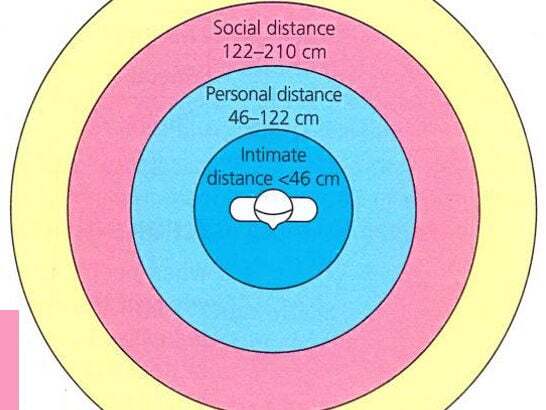
Perry et al. 2015 (Personal Space)
Perry et al. explored the effects of oxytocin on people’s preferred interpersonal distances, focusing on differences between individuals with high versus low empathy levels.
https://www.simplypsychology.org/perry-et-al.html
Fagen et al. (elephant learning)
Fagen et al. wanted to investigate if secondary positive reinforcement (SPR) could train captive elephants to voluntarily participate in trunk washes for tuberculosis testing.
https://www.simplypsychology.org/fagen-et-al-elephant-learning.html
Hassett et al. (monkey toy preferences)
Hassett et al.’s (2008) research explores the idea that pre-existing preferences, potentially shaped by biological factors like prenatal hormone exposure, can actively influence an individual’s developmental environment, which in turn shapes subsequent experiences and choices.
https://www.simplypsychology.org/hassett-et-al-monkey-toy-preferences.html
Hölzel et al. (mindfulness and brain scans)
Hölzel et al. (2011) used a longitudinal design to track changes in the same group of participants over time, allowing them to observe how mindfulness practices might directly influence brain structure.
https://www.simplypsychology.org/holzel-et-al-mindfulness-and-brain-scans.html
Pozzulo et al. (line-ups)
Pozzulo’s study investigates how children’s developing memory and cognitive abilities, in comparison to those of adults, affect their accuracy in eyewitness identification tasks, particularly in legal contexts.
https://www.simplypsychology.org/pozzulo-et-al-line-ups.html
simplypsychologyofficial3,163 followersView more on InstagramsimplypsychologyofficialAdd a comment...
simplypsychologyofficial
3,163 followers
View more on Instagram
Login or Subscribe to participate